7 Methods to Optimise Profits & Competitiveness on E-commerce Marketplaces

7 Essential Methods to Optimise Profits and Dominate Market Share on E-commerce Marketplaces
In the 4P marketing model (Product, Price, Place, Promotion), Price is the only element that generates revenue, while the other three generate costs. On e-commerce marketplaces such as Shopee and TikTok Shop, where prices can be compared in a single click, a flawed pricing strategy can wipe out profit or cause a business to lose market share to competitors.
Product pricing is not simply an accounting calculation of costs plus profit. It is the art of carefully balancing Perceived Value and Financial Structure. At Height Media, through consultations with hundreds of merchants, we have found that the most common mistake is setting prices by instinct.
To help business owners and brand managers avoid pricing mistakes, Height Media presents the following in-depth guide to 7 core pricing strategies.
1. Cost-Based Pricing: The Essential Foundation
This is the most traditional and safest method, particularly for new market entrants that need to preserve their capital.

-
Mechanism: Selling price = Total costs (COGS + Operating costs + Marketplace fees) + Expected profit margin.
-
In-depth analysis: Many store owners overlook hidden costs such as marketplace fixed fees, which rise year by year, packaging, return rates and marketing. If you count only the cost of goods sold (COGS), you risk selling more without making real profits.
-
Advice from Height Media: Build a detailed profit and loss (P&L) statement for each product unit (unit economics). Review operating costs quarterly to adjust prices promptly.
2. Competitive Pricing: Maintaining Market Share
“Business thrives through connections.” In a saturated red-ocean market, monitoring competitors is essential.

-
Mechanism: Identify the market's highest and lowest prices, then set yours at the average or slightly below it to attract traffic.
-
In-depth analysis: The greatest risk here is a race to the bottom—aggressive price cutting. When sellers continually lower prices to win customers, profit margins across the entire category erode.
-
Advice from Height Media: Never try to be the cheapest if you do not have economies of scale. Instead, maintain average prices and compete through Non-price factors (non-price factors), such as delivery speed, customer service and complimentary gifts.
3. Value-Based Pricing: Maximising Profit Margins
This is the destination for every sustainable brand. You sell trust and experience, not just physical goods.

-
Mechanism: Selling price = Average market price + USP (Unique Selling Point) value.
-
In-depth analysis: What are customers willing to pay a premium for? It may be peace of mind through a 1-for-1 replacement warranty, emotion through luxurious packaging, or personalisation. This strategy requires a deep understanding of customer insights.
-
Suitable for: Established brands, handmade products or items requiring in-depth advice.
4. Dynamic Pricing: Adapting to the Market's Pace
Use data and algorithms to adjust prices in real time. This is how major businesses such as Grab, Uber and e-commerce marketplaces optimise revenue.

-
Practical tactics:
-
When competitors are out of stock: Increase prices slightly to optimise profit because demand now exceeds supply.
-
When marketplace traffic falls or you need to increase sales: Offer flash sales to stimulate demand.
-
-
Advice from Height Media: Closely track the marketplace's Mega Sale events. Regular-day and campaign-day prices should differ strategically to give customers the feeling of finding a deal.
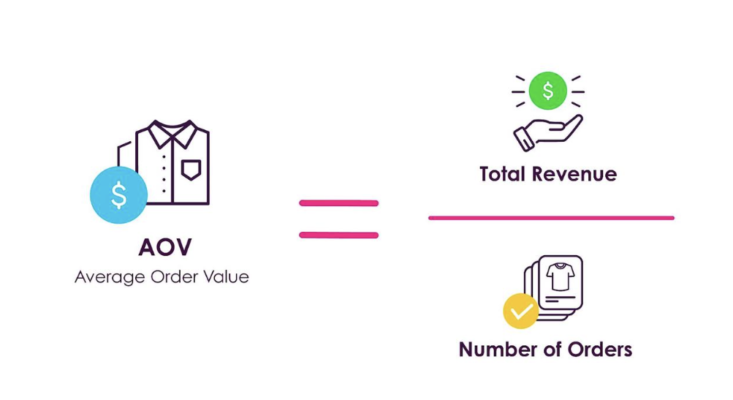
5. Bundling Strategy: Increasing Average Order Value (AOV)
Shipping and order processing costs are among the toughest challenges in e-commerce. Bundles provide an answer.
-
Mechanism: Sell Product A + Product B together for less than their combined individual prices.
-
Economic efficiency:
-
Increase AOV (Average Order Value): instead of selling 1 item for 50k, sell a bundle for 150k.
-
Optimise logistics: packaging and shipping costs for 1 order containing 3 products are much lower than for 3 separate orders.
-
Clear inventory: pair a bestseller with a slow-moving product to move existing stock.
-
6. Loss-Leader Pricing: Accepting a Loss to Win Big
An advanced tactic requiring careful calculation of customer lifetime value (CLV).

-
Mechanism: Price a traffic-driving product (Traffic SKU) at break-even or a small loss to attract large numbers of visitors to the store. Then generate profit from core products or accompanying accessories.
-
A classic example: Sell a facial cleansing device at a very low price (accepting a loss) so customers have to buy cleanser or replacement brush heads regularly from your store at a high margin.
-
Warning: Control the quantity of loss-leader products sold to avoid disrupting cash flow.
7. Price Skimming: Tapping into FOMO

For technology products, designer fashion or highly trend-driven items.
-
Mechanism: Set the highest feasible price at launch to reach innovators who are less price-sensitive and enjoy new things. After this segment is saturated, gradually lower prices to reach the mass market.
-
Psychological factors: Appeal to consumers' fear of missing out (FOMO) and desire to display status.
Conclusion: Pricing Strategy Is Part of Business Strategy
No price stays fixed forever. Markets, competitors and customer behaviour all change. A good manager knows how to adapt these pricing strategies flexibly to meet business objectives at each stage: when you need market share, use Competitive Pricing, when you need profit, use Value-Based Pricing.
Do you have a good product but have yet to find the perfect price point to drive sales? Or are you caught in a never-ending price war?
Let Height Media become your strategic partner. We do more than help you set up a price list; we provide solutions for Comprehensive E-commerce Operations: From market research and cost optimisation to brand building, ensure your business grows sustainably and maximises profitability.
Contact us for strategic advice today