HOW DO ORDINARY VIDEOS AND SHOPPABLE VIDEOS DIFFER?
HOW DO ORDINARY VIDEOS AND SHOPPABLE VIDEOS DIFFER?
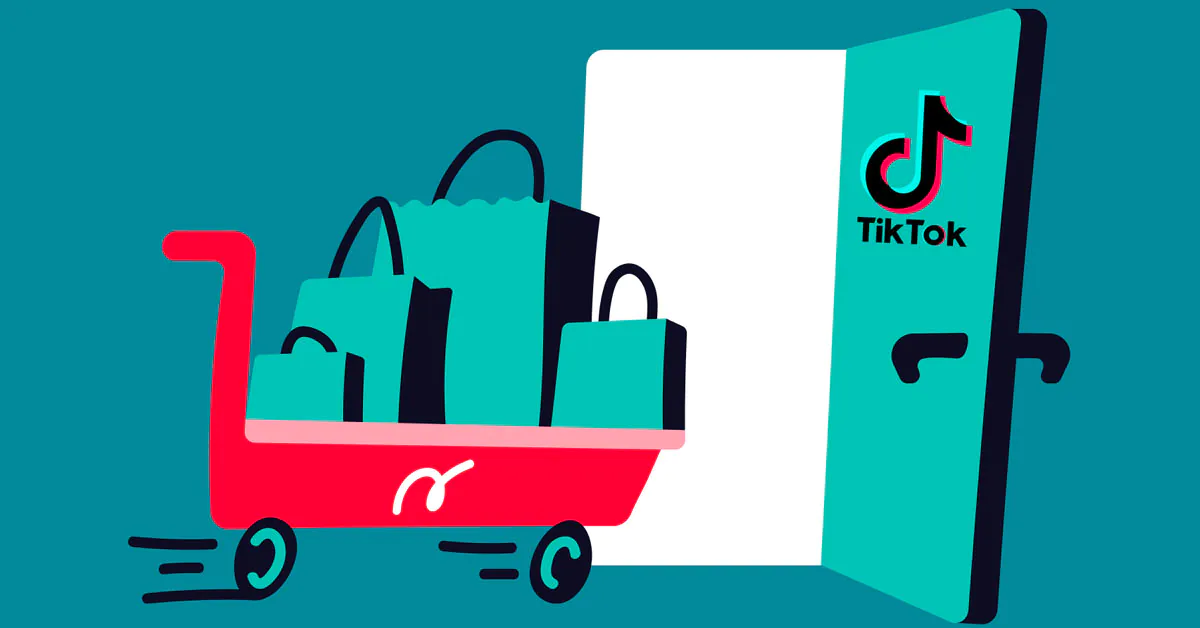
Today, commerce combined with entertainment (Shoppertainment) has completely changed how we shop. Customers do not simply browse websites to read articles; they can buy while watching a video. To make the most of this trend, you need to understand how the customer journey differs between an ordinary video and a shoppable video.

1. Differences in the customer's shopping journey
The biggest difference between these formats comes down to: How many steps must customers take to pay you?
- With an ordinary video: Customers watch a fashion-styling video → Like what they see → Ask "Where can I buy this?" in the comments → Wait for the seller's reply → Or visit the profile and click the bio link → Find the right shirt → Place an order. This journey is lengthy, making it easy for customers to change their minds or forget along the way.
- With a shoppable video: Khách hàng xem video phối đồ →Thấy đẹp →Bấm vào chiếc giỏ hàng màu vàng ngay góc trái màn hình → Chọn size →Thanh toán. Quá trình diễn ra trong chưa đầy 30 giây khi cảm xúc mua hàng đang ở mức cao nhất.
2. Differences in content creation
Because the ultimate objectives differ, the scripts for these two video types should also differ.
- Script for an ordinary video: Focus on natural presentation, useful knowledge or humor. Any product should appear incidentally as a supporting tool, avoiding the impression of pressuring viewers to buy.
- Script for a shoppable video: Get straight to the point. Name the product, highlight its uses, explain any promotion and keep reminding viewers: "Tap the basket below to buy" (A direct call to action).
3. How should you allocate budget and time?
To develop a sustainable sales channel, do not publish only one video type.
- If you publish only ordinary videos: You may have many views and followers, but the bank balance does not grow because there is no direct purchasing channel.
- If you publish only shoppable videos: Your channel becomes a conventional general store. Viewers will become bored and move on quickly because they receive no entertainment or useful knowledge.
Conclusion
The core difference between ordinary and shoppable videos is how quickly they convert user behavior into action. Ordinary videos build trust and affection, while shoppable videos help close sales and generate revenue. Combine both formats thoughtfully in your content plan to retain viewers and optimize business sales.