How to Use Cultural Elements to Drive High Sales
How to Use Cultural Elements to Drive High Sales
Business today is fiercely competitive because everything can be copied extremely quickly. You design an attractive shirt, and the following week identical-looking versions made from cheaper fabric are being sold widely online at half the price. If we compete solely on price and function, small local brands will never beat enormous overseas manufacturing operations.
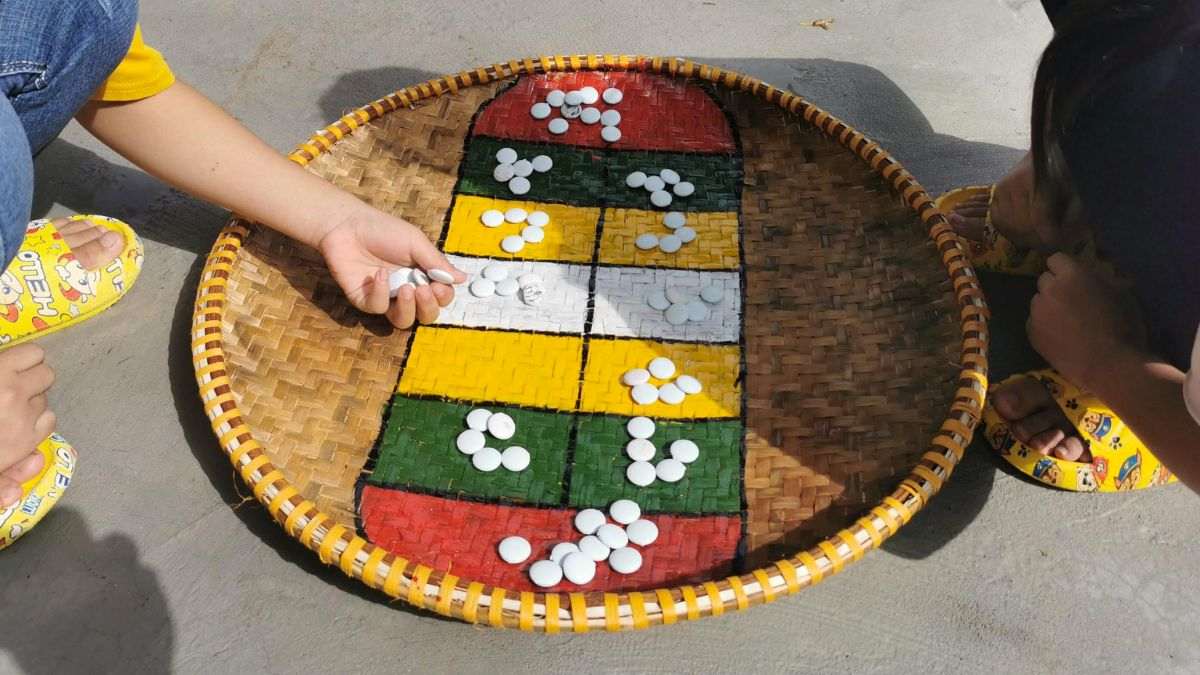
The only way to escape the game of who can sell more cheaply is to create a product with a soul. Nothing brings that soul to a product better than Vietnamese cultural stories, history and folk traditions.
1. Customers Buy Pride, Not Just Clothes
Young people today are very patriotic and have a strong sense of national pride. They are willing to spend millions of VND on a half-sleeve shirt, handbag or lipstick if it carries an engaging, distinctive cultural story with a strong Vietnamese identity.
But incorporating culture into a product is not simply a matter of printing a bronze drum or lotus on a shirt. That would resemble a roadside souvenir sold to foreign tourists rather than wearable fashion. The finesse lies in drawing on the spirit of traditional culture to refresh today's products.
2. From Folk Traditions to Contemporary Visual Language
To picture this more clearly, consider how we draw on the cultural depth of northern Vietnam to design promotional photo collections (lookbooks) or brand identities.
Suppose you are selling a fashion collection with an energetic, rebellious style that still retains a sense of grace. Instead of having models strike unremarkable poses in a studio, you can base the art direction on the rhythm of the dance "con đĩ đánh bồng" at traditional village festivals. When translated into fashion poses, the dance's playful glances, graceful movements, lively flirtatiousness and witty character create a powerful and unconventional visual appeal.
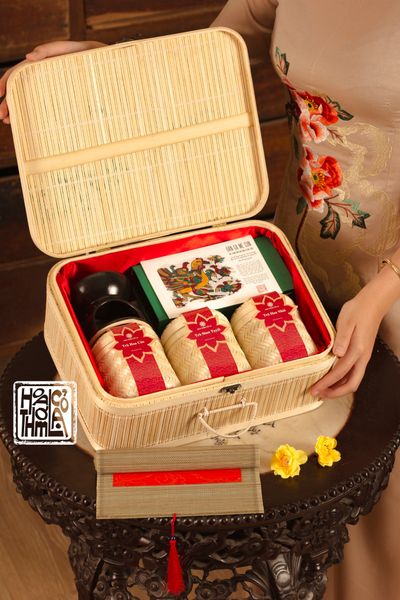
Or, if you have a skincare or natural fragrance brand that calls for an elegant, sophisticated feel, take inspiration from the beauty of the art of carving narcissus bulbs for Tet in old Hanoi. The art of carving narcissus bulbs requires immense patience and meticulous cuts so the bulb sprouts in graceful curves, produces pure white flowers and releases a delicate fragrance. Apply that philosophy—beauty comes from care and patience—to packaging design and product photography arrangements, and your cosmetic jar immediately conveys more elegance, sophistication and depth than the jars of mixed creams sold widely elsewhere.
3. Traditional Beauty Needs a Modern Design Touch
However, there is a fine line between artistic and kitsch. When your images already incorporate culturally rich elements, the surrounding graphic design—such as fonts, lettering and logos—must be highly minimalist and modern.
A frame needs empty space so that the viewer's eyes can rest. The modernity of minimalist design combined with the depth of cultural heritage creates a perfect outer layer for your brand, helping it establish a strong position in the premium segment.