Common Shopee store setup mistakes and how to fix them
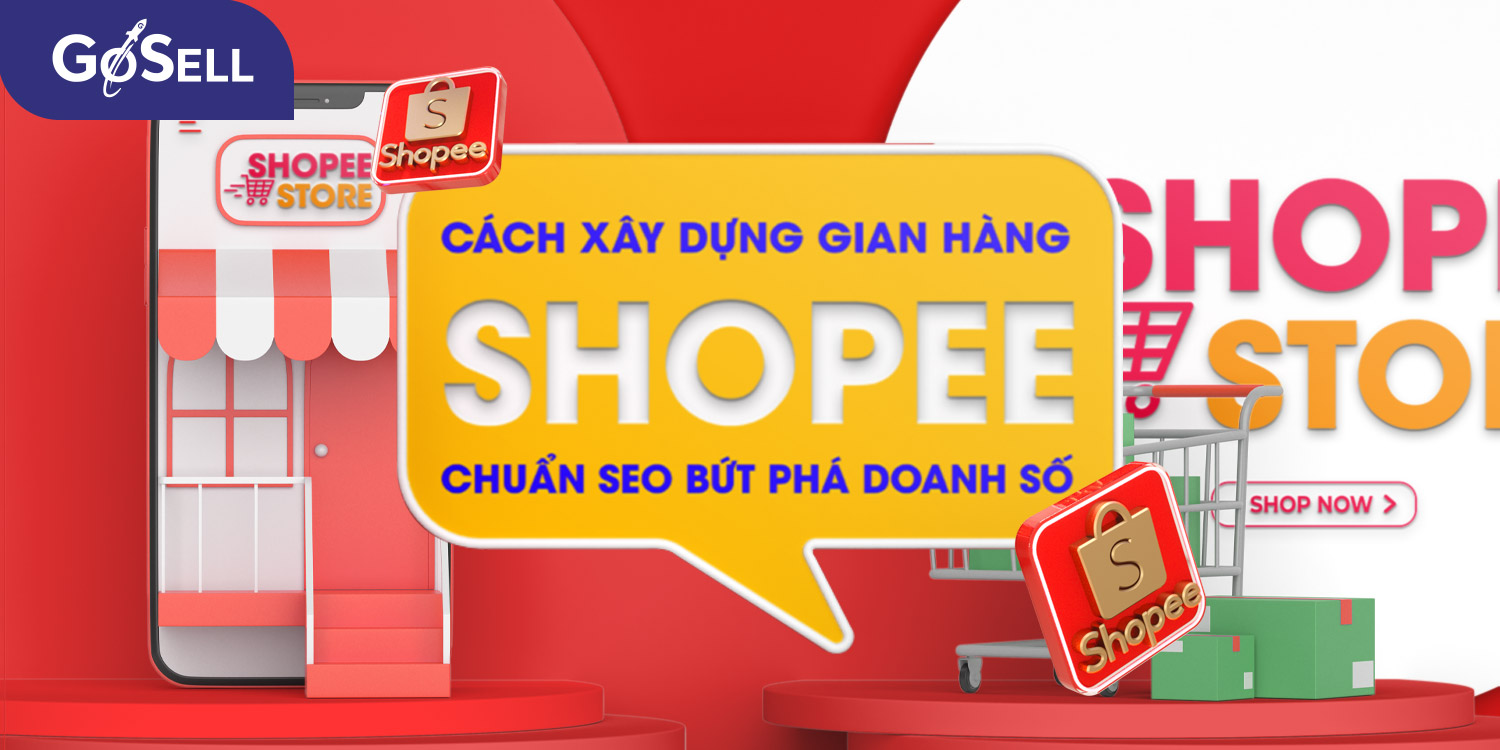
Shopee is an accessible e-commerce platform, but it also has its own technical and operational requirements. Many sellers — especially beginners — make basic mistakes when setting up their stores, affecting product visibility, customer acquisition and shop operations. Below are common Shopee store setup mistakes and how to fix them so you can start selling more professionally and effectively.
1. A poorly optimised or unrecognisable shop name
Common mistakes:
Choosing a name that is too long, too generic or unrelated to the products.
Consequences:
Customers find the shop name difficult to remember or search for, and it fails to build trust.
How to fix it:
Choose a short, memorable shop name relevant to your products or category. Avoid special characters, meaningless numbers and unclear phrases.
2. Poor-quality profile and cover images
Common mistakes:
Not uploading a profile image, uploading a blurry image or using an image unrelated to the products.
Consequences:
An unprofessional store reduces credibility and causes customers to leave the page early.
How to fix it:
Use your brand logo as the profile image. Design a cover image that shows promotional information, your slogan and brand colours. You can use free tools such as Canva to create images easily.
3. An incomplete shop description
Common mistakes:
Leaving the description blank or writing a brief description that lacks basic information.
Consequences:
Customers do not understand what the shop sells or see its commitments and benefits, making it easy to lose trust.
How to fix it:
Write a concise but comprehensive shop description introducing your products, selling style, commitments and customer support policies.
4. Failing to organise products into categories
Common mistakes:
All products are placed in one group without clear categories.
Consequences:
Customers struggle to find products and feel that the shop is unprofessional, reducing the quality of the shopping experience.
How to fix it:
Create separate categories for each product group. For example: tops, trousers and footwear, or home appliances, kitchenware and office equipment…
5. Superficial product descriptions with missing information
Common mistakes:
Leaving descriptions blank or writing only a few lines, omitting important details such as materials, sizes and instructions for use.
Consequences:
Customers do not understand the product clearly, leading to doubts and causing them to overlook it.
How to fix it:
Write detailed, easy-to-understand descriptions covering uses, specifications, materials, colours and benefits. Use separate lines or short paragraphs for readability.
6. Incorrect shipping provider setup
Common mistakes:
Selecting only one shipping provider or not enabling any.
Consequences:
Customers cannot place orders, deliveries do not happen, and negative reviews become more likely.
How to fix it:
Go to shipping settings and enable popular carriers such as Shopee Express, J&T Express, GHN and Viettel Post. Check that the pickup address is accurate so the courier arrives at the right location.
7. No linked bank account to receive payments
Common mistakes:
Not linking ShopeePay or a bank account.
Consequences:
Being unable to withdraw money after receiving orders, delayed payments and disrupted business cash flow.
How to fix it:
Go to account settings in Shopee Seller Center and add and verify a bank account in your own name for easy withdrawals.
8. Not using shop decoration tools
Common mistakes:
Not designing the shop layout, creating banners or organising product collections.
Consequences:
A monotonous shop interface fails to convey professionalism and makes it hard to retain customers.
How to fix it:
Use the Shop Decoration feature in Seller Center to add banners, group featured products and create an intuitive layout like a mini website.
Conclusion
Setting up your Shopee store correctly from the outset helps you avoid unnecessary risks, present a more professional image and establish a solid foundation for effective selling. Take the time to review every part of your store to ensure all details are clear, accurate and designed to offer customers the best possible experience.
If done correctly, the store will not only look attractive but also operate smoothly, convert orders more easily and retain customers over the long term.